
From Geraldton to Broome: What We Heard on the Road
Over six weeks in April and May, the Community Housing Futures WA team hit the road.
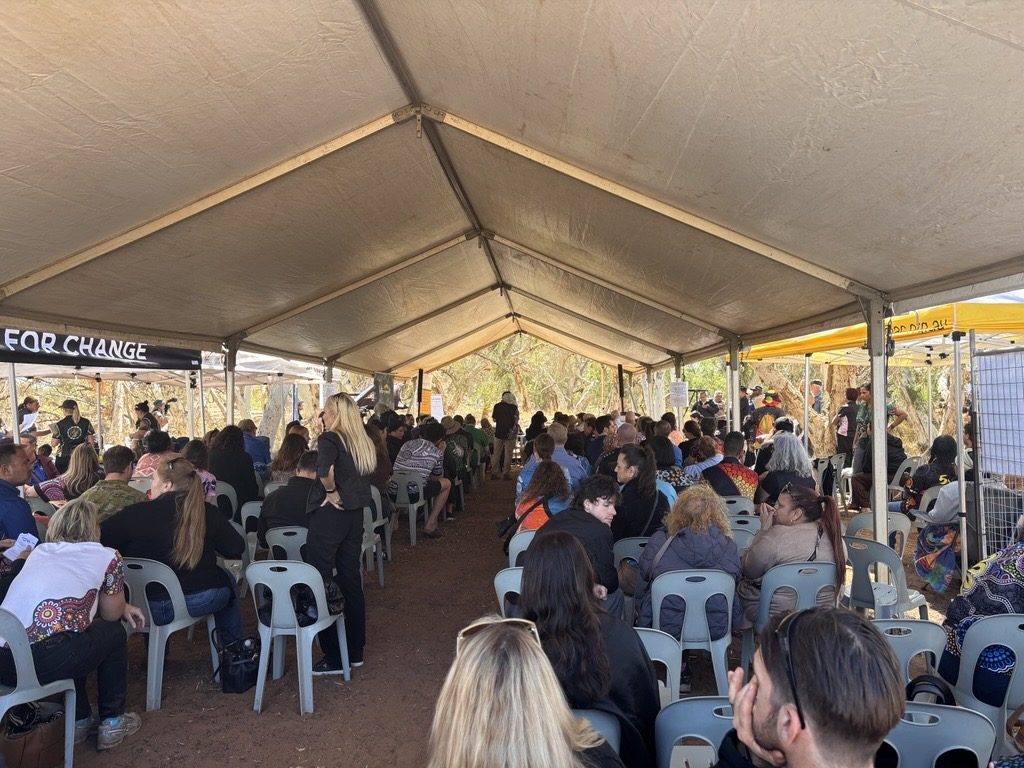
We visited Geraldton, Busselton, Bunbury, and Broome, and co-hosted a dedicated session for Aboriginal Community Housing Organisations in Perth alongside our partners at CASWA. Across those five events, we sat with more than 19 community housing organisations, heard from practitioners working at the frontline of housing stress every day, and asked the same four questions in every room: what does the sector need most right now? What would make this program genuinely useful? What gets in the way of accessing support? And what do you want to see achieved in five years?
The conversations were honest, energetic, and, in the best possible way, challenging. People had things to say, and they said them. That’s exactly what we were there for.
Why Regional Matters
Regional organisations have good reason to be cautious about engagement from metropolitan teams. The pattern is a familiar one, consultations happen, input is gathered, and then the follow-through doesn’t materialise. The enthusiasm fades with the drive back down the highway. We heard that dynamic named directly in more than one session, and we understood it as exactly the kind of institutional fatigue that programs like ours have to reckon with seriously, not just acknowledge and move past.
What we also heard was that the chance to be in the same room as other organisations working on the same problems was itself something participants valued, independent of us being there. That’s a reminder that regional sector connection has its own momentum and its own worth, and that a program centred in Perth can either support that or get in the way of it.
We’re not going to ask regional organisations to take our good intentions on faith. The program has to demonstrate follow-through through the design of the assessments, through accessible grants processes, through a Learning and Development Hub that shows up in the regions rather than expecting regions to come to it. The scepticism we encountered is fair. Earning something different is the work.
What We Heard
Across all five locations, a handful of themes came through clearly and consistently.
Housing supply is the urgent priority. Every group named the shortage of available housing stock as the most pressing issue facing their community. Participants described long waiting lists, mismatches between the type of stock available and the households who need it, particularly single people and smaller families, and the critical absence of crisis and emergency accommodation in some areas. The appetite for innovative, faster construction models, modular builds, smaller footprint dwellings, co-located options, came through strongly, with several organisations already experimenting with approaches worth the sector learning from.
The sector wants to grow, and it wants the right support to do it. There was genuine enthusiasm in every room for a program that takes capability-building seriously. Organisations are ambitious. They can see the opportunity in front of them and they understand what they need to get there. What they told us they need most is support that is practical, accessible, and doesn’t require a large internal team to navigate. Simplicity, clear communication, and real-world examples were the design principles participants called for most often.
Early-stage development is a persistent gap. Across multiple sites, organisations described having identified land, built community relationships, and evidenced local demand, but being unable to move forward because funding for planning, feasibility, and pre-development work is either very limited or very hard to access. The Business Advisory Grants stream, which covers business planning and financial modelling alongside other capability areas, was received as a direct and meaningful response to this gap.
Regional and remote contexts need tailored approaches. Organisations in Geraldton, Broome, and the Kimberley face a different operating environment to those in Bunbury or the South West, and a different operating environment again to metropolitan Perth. Distance, workforce availability, construction costs, and the complexity of service delivery in remote settings all shape what is possible. Participants told us clearly that programs designed for metropolitan organisations rarely translate, and that genuine accessibility means accounting for those differences from the start. Our travel support for the Growth Readiness Assessment, which ensures regional organisations can access face-to-face engagement, was a specific design choice we made in response to exactly this.
A Vision for the Next Five Years
When we asked participants what they wanted to see the sector achieve by 2031, we heard an ambitious and shared vision: significantly more housing stock in community hands; more registered providers in regional and remote areas; a well-connected sector with regular forums and regional collectives; innovative housing models that can respond quickly to local need; and culturally-led, ACCO-driven service delivery that prioritises connection and wellbeing alongside bricks and mortar. People were interested in action, practical, funded, well-supported action that moves the dial on housing supply and sector capability within a meaningful timeframe. That ambition is exactly the energy the Community Housing Futures WA program is here to support.
What’s Next
The roadshow has directly informed the design and delivery of our three program streams. If you participated in one of our regional events, thank you, your contribution is already shaping how we work.
Growth Readiness Assessments are now open, free, and available to community housing organisations across Western Australia. If you’d like to understand your organisation’s current capability and get a clear, evidence-based picture of your pathway forward, this is the place to start.
Business Advisory Grants (Round 1) will be open from 1st July 2026, with the second round planned for 2027. Guidelines and the application template will be released on the 3rd June, a month before so organisations can prepare.
The Learning and Development Hub is in development for an early 2027 launch, and the feedback from this roadshow is directly informing what it will cover and how it will be delivered, including how we reach and support regional organisations.

Recent Articles
Community Housing Futures WA: The sector is ready to do more
The past few months have been a significant period for CHFWA, with activity spanning the Business Advisory Grant round, regional engagement and the development of

How Small Community Housing Providers Can Build Organisational Capacity
Practical steps small community housing providers can take to strengthen governance, finance, systems, assets and workforce capacity for sustainable growth.


Community Housing Futures WA and Shelter WA acknowledge the Traditional Custodians of Country and their ongoing connection to land, waters and community. We pay our respects to all First Nations peoples and to the Elders past and present. We support the Uluru Statement from the Heart and our recognition and acceptance of your invitation to walk with you towards a movement of the Australian people for a better future.